

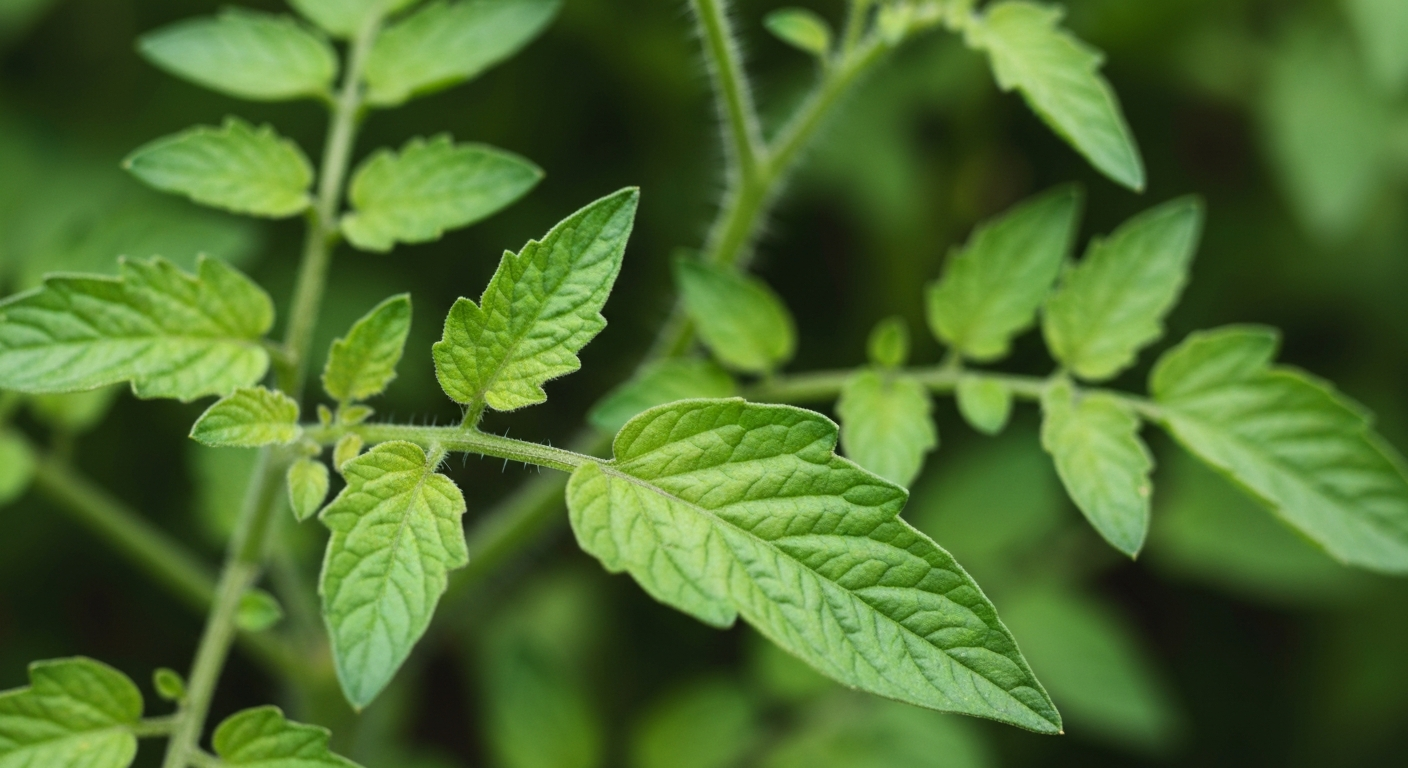
Tomato plant diseases can defoliate a healthy-looking vine in a few humid weeks, shrinking harvests and sun-scalding fruit overnight. US gardeners from the Great Lakes to the Gulf face overlapping threats: early blight with target rings, septoria’s peppered spots, powdery mildew in greenhouses, and regionally late blight where cool wet weather persists. Success starts with naming the disease on your leaves—not last year’s memory—then combining sanitation, airflow, and labeled sprays only when needed.
This guide walks through symptoms, causes, diagnosis steps, organic and chemical treatment, a season prevention calendar, mistakes that accelerate epidemics, and how photo AI helps before canopies collapse. For white powder without target rings, see powdery mildew on plants; for general lesion patterns, see leaf spot disease.
Why tomato foliage diseases threaten the whole harvest
Leaves fuel fruit sizing and sugar development. When lower leaves yellow and drop, exposed fruit burns in July sun. When spots climb the stem, photosynthesis crashes during peak production. Tomato plant diseases also overwinter in debris and soil splash—skipping fall cleanup replays September in July.
Early action costs minutes; delayed action costs plants. Photograph lower leaves weekly in wet springs.
Early blight (Alternaria solani): symptoms and causes
Symptoms:
- Dark brown spots with concentric “target” rings on lower leaves first
- Yellow halos around lesions
- Progression upward during warm, wet weather
- Stem lesions possible on severe cases
- Fruit may show dark sunken areas near stem attachment when advanced
Causes:
- Infected potato/tomato family debris in soil
- Rain splash onto lower leaves
- Nitrogen stress and overcrowding increase susceptibility
- Working plants when wet spreads spores
First response: Remove lower infected leaves (up to one-third if necessary), mulch soil, stake/cage for airflow, rotate beds next season away from potato family plots.
Septoria leaf spot (Septoria lycopersici): symptoms and causes
Symptoms:
- Numerous small round spots with dark borders
- Tiny black pycnidia (fruiting bodies) in centers—visible with hand lens
- Lower leaves yellow and drop first
- Can resemble early blight but spots are smaller and more numerous
Causes:
- Similar splash and debris cycles as early blight
- Wet foliage lasting into evening
First response: Sanitation as above; avoid overhead irrigation; fungicides labeled for septoria when outbreaks start early in wet regions.
Powdery mildew on tomatoes
Symptoms:
- White powdery patches on leaves in humid greenhouses and some field edges
- Leaves may curl and dry after coating
Causes:
- Stagnant humid air, crowded plants, cool nights after warm days
Management: Ventilate greenhouses; space plants; labeled fungicides or approved organic products; see dedicated powdery mildew on plants article.
Late blight and regional notes
In cool wet districts, Phytophthora infestans (late blight) produces large olive-green to brown lesions with fuzzy undersides in humidity—historically devastating. It moves fast; remove affected plants promptly and consult local extension alerts. Do not compost infected vines in backyard piles.
Know your region’s bulletins—treatment timing differs from early blight alone.
Bacterial and viral issues (brief)
Bacterial speck and spot create small dark lesions; viruses cause mosaic and stunting without target rings. Viruses lack cure—remove plants to protect neighbors. Photo AI and extension help separate virus from nutrient stress.
Diagnosis steps for tomato plant diseases
- Start low — inspect bottom leaves weekly after rain.
- Compare spot size — large targets vs. many small septoria dots.
- Check powder — mildew vs. spot diseases.
- Note weather — cool wet nights favor blight complexes.
- Photograph lesions with halos in indirect light.
- Run plant disease identifier when unsure.
- Track spread seven days after sanitation—upward climb means escalate sprays.
Document variety and bed location—some heirlooms are more susceptible.
Organic treatment options
- Mulch soil immediately after planting to reduce splash.
- Stake or cage early; prune suckers only moderately—balance airflow and leaf area.
- Remove infected lower leaves into trash bags.
- Water soil in morning; drip preferred.
- Rotate three years away from potato, eggplant, pepper family in same soil if possible.
- Organic fungicides — copper, sulfur, bicarbonate, biological programs per label and local organic rules.
Chemical treatment when appropriate
Conventional fungicides help when:
- Wet spring forecasts repeat defoliation during fruit set
- Septoria and early blight climb past mid-stem despite sanitation
- Late blight alerts appear in your county
Rotate active ingredients (e.g., chlorothalonil, mancozeb, specific FRAC groups per label) to slow resistance. Observe pre-harvest intervals strictly on food crops.
Prevention calendar for tomato plant diseases
| Phase | Task |
|---|---|
| Winter | Plan rotation; buy resistant hybrids if disease pressure high |
| Planting | Mulch; stake; space for mature spread |
| Early fruit set | Scout lower leaves twice weekly in humid zones |
| Midseason | Remove yellowing bottom leaves; avoid wet pruning |
| Late season | Remove infected vines to trash; do not compost blighted material |
| Next year | Shift planting site; test soil fertility |
Nutrition, stress, and disease look-alikes on tomatoes
Magnesium deficiency can yellow leaves between veins on older foliage without classic target rings. Blossom end rot is calcium-related fruit disorder, not foliar leaf spot. Herbicide drift causes twisted distorted growth unlike septoria dots. Heat stress may roll leaves without spots. Soil testing every few years clarifies whether you are fighting fungus or fertility.
Stressed plants invite disease—bloom-phase nitrogen excess produces lush susceptible growth. Follow soil test recommendations rather than weekly high-nitrogen feeds “for more fruit.”
Container tomatoes and balcony gardens
Pots dry faster but also overheat roots; root stress mimics disease wilting. Use large enough containers, light-colored pots where possible, and mulch pot surfaces. Space balcony plants so leaves do not rub wet neighbors. Destroy end-of-season potting mix if blight or heavy septoria appeared—do not dump into community compost unaware. Elevate pots on feet so drainage holes never sit in saucer water after storms; morning sun on foliage paired with shaded roots reduces heat stress when lower leaves already show early blight targets.
Mistakes to avoid
- Overhead sprinklers at dusk in humid climates
- Composting infected tomato foliage at home
- Working plants when leaves are wet
- Waiting until 50% leaves are spotted before first prune
- Using one fungicide all season without rotation
- Confusing magnesium deficiency with disease—soil tests help
Harvest-quality decisions when disease is present
Fruit on partially defoliated vines may still ripen if stems remain healthy. Prioritize fruit with intact skin; wash before eating. After fungicide applications, obey pre-harvest intervals on the label—days-to-harvest restrictions exist because residue matters on food crops. If late blight is confirmed in your county, destroy fruit from infected vines rather than canning questionable tomatoes—quality and safety outweigh salvage guilt.
Using the Plant Disease Identifier app
Tomato lesions photograph well when sharp. Use Plant Disease Identifier:
- Capture lower leaves showing rings or peppered spots plus healthy tissue.
- Compare early blight vs. septoria suggestions; read care steps for each.
- Save weekly scans during wet weather to catch upward spread early.
Apps inform; sanitation and airflow still do most of the yield protection. Re-scan after rainstorms when spore loads spike—comparison photos in the app timeline make upward spread obvious before fruit sunburns from bare vines.
Related: manage white powder in powdery mildew on plants and lesion basics in leaf spot disease.