

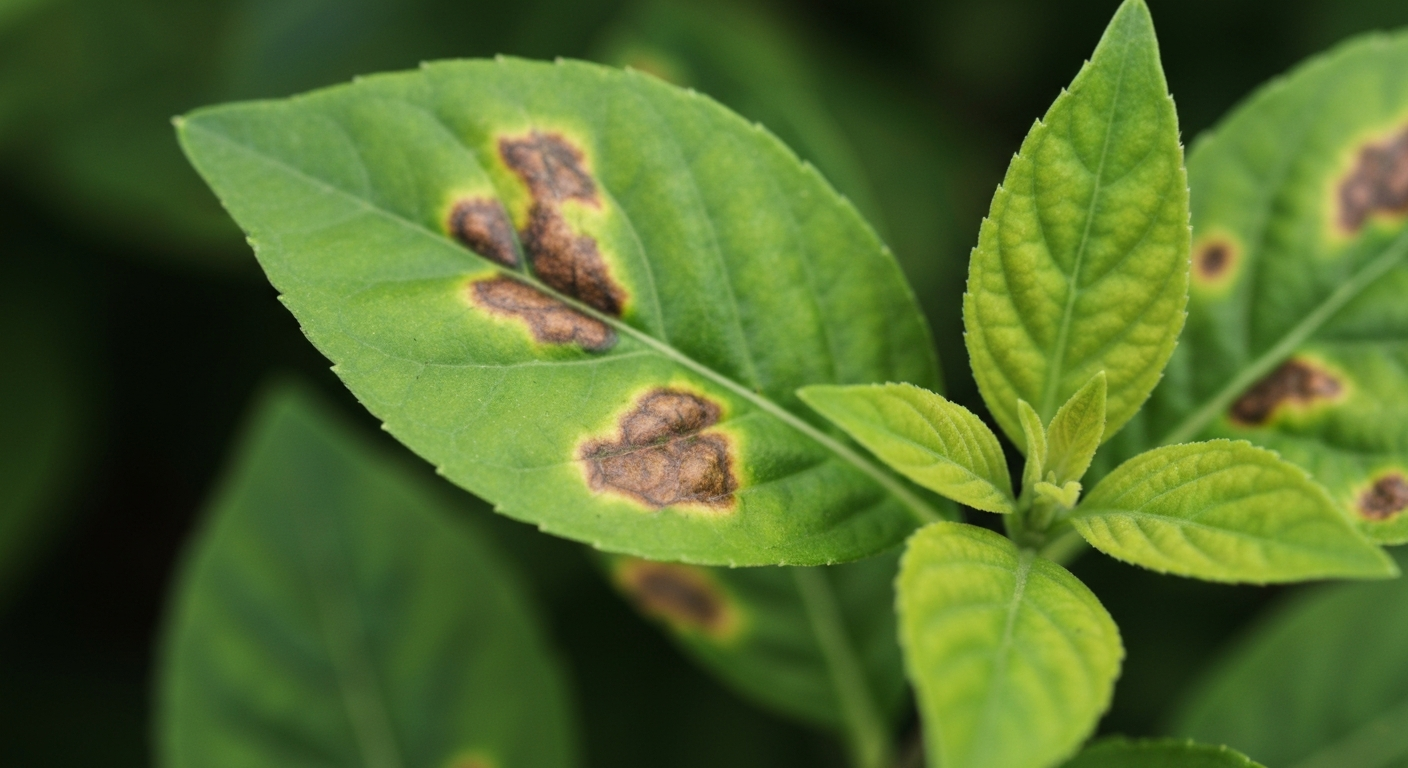
Plant disease is any condition that disrupts normal growth, appearance, or survival because of infectious pathogens or environmental stress that mimics infection. For US home gardeners, most daily crises involve fungi encouraged by humidity and watering habits; bacteria surge in warm wet seasons; viruses appear sporadically but demand different management. Learning categories, early symptoms, and a calm first-response checklist prevents the two most common errors: spraying chemicals on non-disease problems, and delaying action while a preventable outbreak becomes a bed-wide epidemic.
This guide explains fungal, bacterial, and viral plant disease patterns, how abiotic stress masquerades as infection, diagnosis steps you can perform in ten minutes, organic and chemical treatment boundaries, a season-long prevention calendar, and mistakes that waste time and plants. When you need faster naming from a photo, pair this article with a plant disease identifier app and our sick plant decision tree.
Why understanding plant disease categories matters
Categories dictate action. Fungal leaf spots often respond to sanitation plus fungicides. Bacterial lesions may need copper and strict water discipline. Viral infections have no cure—removal protects neighbors. Environmental brown edges need less water or more humidity, not sulfur sprays.
Misclassification costs yield. Tomato foliage diseases can strip leaves in three weeks of humid Midwest weather. Rose black spot defoliates repeat bloomers twice per summer in the Mid-Atlantic. Indoor root rot kills specimens that looked merely thirsty. Knowing which class of problem you face narrows treatment from dozens of products to a short, label-safe list.
Fungal plant disease: symptoms and common examples
Fungi leave recognizable signatures on leaves, stems, fruit, and roots:
- Powdery patches on upper leaf surfaces (powdery mildew)
- Circular or irregular necrotic spots with yellow halos (leaf spot disease)
- Target rings on lower tomato leaves (early blight)
- Dark rose lesions with yellowing tissue (black spot on roses)
- Wilting with brown roots in soggy soil (root rot complexes)
Fungi spread via spores moved by wind, splashing water, tools, and hands. Many survive winter in debris—why fall cleanup matters as much as spring spraying.
Causes favoring fungal outbreaks
- Nighttime leaf wetness from overhead irrigation
- Dense planting that blocks airflow
- Extended humidity in greenhouses and bathrooms
- Overhead misting on houseplants without fans
- Infected compost or un-sanitized pruners
Bacterial plant disease: what to look for
Bacteria often produce water-soaked lesions that look greasy before they turn brown or black. On cucurbits and some ornamentals, spots appear angular, bounded by leaf veins. Oozing stems, foul-smelling soft rot in bulbs, and rapid collapse in warm wet weather suggest bacteria.
Bacteria enter through wounds and natural openings, especially after hail, pruning, or insect feeding. Overhead watering that splashes soil onto leaves is a major preventable driver.
Viral plant disease: identification and management
Viruses frequently cause mosaic (mottled green/yellow), stunting, distorted leaves, or ring spots on fruit. They spread via insects (aphids, whiteflies), infected seed, and contaminated tools. There is rarely a home cure—remove affected plants, control vectors, and avoid planting sensitive species in the same spot if soil-borne viruses are suspected in your region.
Because viral patterns overlap nutrient issues, photograph suspicious leaves and compare with a plant disease identifier before you destroy a mature shrub.
Abiotic problems that mimic plant disease
Before any spray, rule out:
| Mimic | Clues | Fix |
|---|---|---|
| Drought stress | Crispy margins, dry soil | Deep soak; adjust schedule |
| Sun scorch | Bleached patches on sun side only | Shade cloth; move pots |
| Salt/fertilizer burn | Tip burn after feeding | Flush soil; reduce dose |
| Cold damage | Sudden browning after frost | Prune dead tissue; wait |
| Oedema | Corky bumps on indoor leaves | Even watering; more airflow |
Our brown spots on plant leaves article separates fungal spots from these look-alikes in detail.
Diagnosis steps in the first 48 hours
- Document — Date first noticed, weather, recent changes (repot, feed, move).
- Map symptoms — Upper vs. lower leaves, one branch vs. whole plant, soil wetness.
- Inspect undersides — Pests first if webbing or honeydew present.
- Examine roots if wilting with wet soil.
- Photograph lesions with indirect light; run photo AI if unsure.
- Hypothesis — Fungus, bacterium, virus, or culture; treat accordingly.
- Reassess in 7 days — Spread means escalate; stability means continue cultural care.
Follow the full diagnose plant problems workflow when cases stay ambiguous.
Organic treatment options for plant disease
Cultural controls help most home gardens:
- Remove infected leaves and fruit; bag and trash, do not small-scale compost.
- Stake and prune for airflow; widen spacing next year.
- Water soil, not foliage, before noon.
- Mulch soil under tomatoes and roses to reduce splash.
- Use resistant cultivars when replanting.
Organic fungicides—sulfur, copper where labeled, bicarbonates, neem in some programs—work best preventively or at first sign, not after defoliation. Always match the label to plant type (edible vs. ornamental) and growth stage.
Chemical treatment when appropriate
Synthetic fungicides and bactericides earn a place when:
- Wet springs threaten repeat defoliation on roses or fruit
- Vegetable canopies lose leaves during fruit set
- Organic programs failed on high-value specimens
Read labels for REI (re-entry interval), PHI (pre-harvest interval on food crops), and rotation of active ingredients to slow resistance. Never mix products unless the label explicitly allows it.
Recording outbreaks in a garden journal
A simple journal transforms reactive spraying into pattern recognition. Note bed location, cultivar, weather week, first symptom photo date, treatment, and outcome six weeks later. You may discover that one wet corner always grows septoria first, or that a particular rose cultivar stays clean with only sanitation while others need fungicides. Journals also help tax-season nothing—they help you stop repeating failed products.
Share anonymized photos with local master gardener helplines; regional timing advice beats generic national blog defaults.
When to remove vs. treat a diseased plant
Removal is correct for advanced viral mosaic, late blight alerts on tomatoes in small gardens, and houseplants with mostly mushy roots and no viable cuttings. Treat when healthy tissue remains, roots are firm, and pathogens are fungal with early spotting. When in doubt, isolate and photograph daily for three days—spread rate tells you whether removal saves the rest of the collection.
Prevention calendar for US gardeners
Late winter: Sharpen tools; prune congested wood; order resistant varieties.
Spring: Rotate crop families; mulch; install drip where possible; scout new growth weekly.
Summer: Photograph spots early; thin overcrowded beds after rain; avoid working wet plants.
Fall: Rake rose and fruit debris; destroy infected material; note problem beds in a garden journal.
Indoors year-round: Quarantine purchases; match water to light; run fans in humid rooms.
Mistakes to avoid
- Spraying fungicide before confirming fungus
- Composting infected rose leaves or tomato foliage
- Overhead watering at dusk in humid regions
- Ignoring soil moisture when leaves wilt
- Keeping one infected houseplant in a crowded shelf
- Treating viral mosaic with copper repeatedly
Using the Plant Disease Identifier app
When symptoms outpace your reference books, use the Plant Disease Identifier app on iPhone:
- Capture close, sharp photos of lesions plus healthy tissue.
- Review ranked disease matches and confidence context.
- Cross-check suggestions with soil moisture, pests, and roots.
- Save scans to track whether spots expand after treatment.
The app accelerates naming; your hands confirm whether the problem is truly infectious.
Related guides: triage a struggling specimen with sick plant signs, or zoom in on spotted foliage with leaf spot disease identification and control.